AI-native development practice
AI-native development practice with human accountability
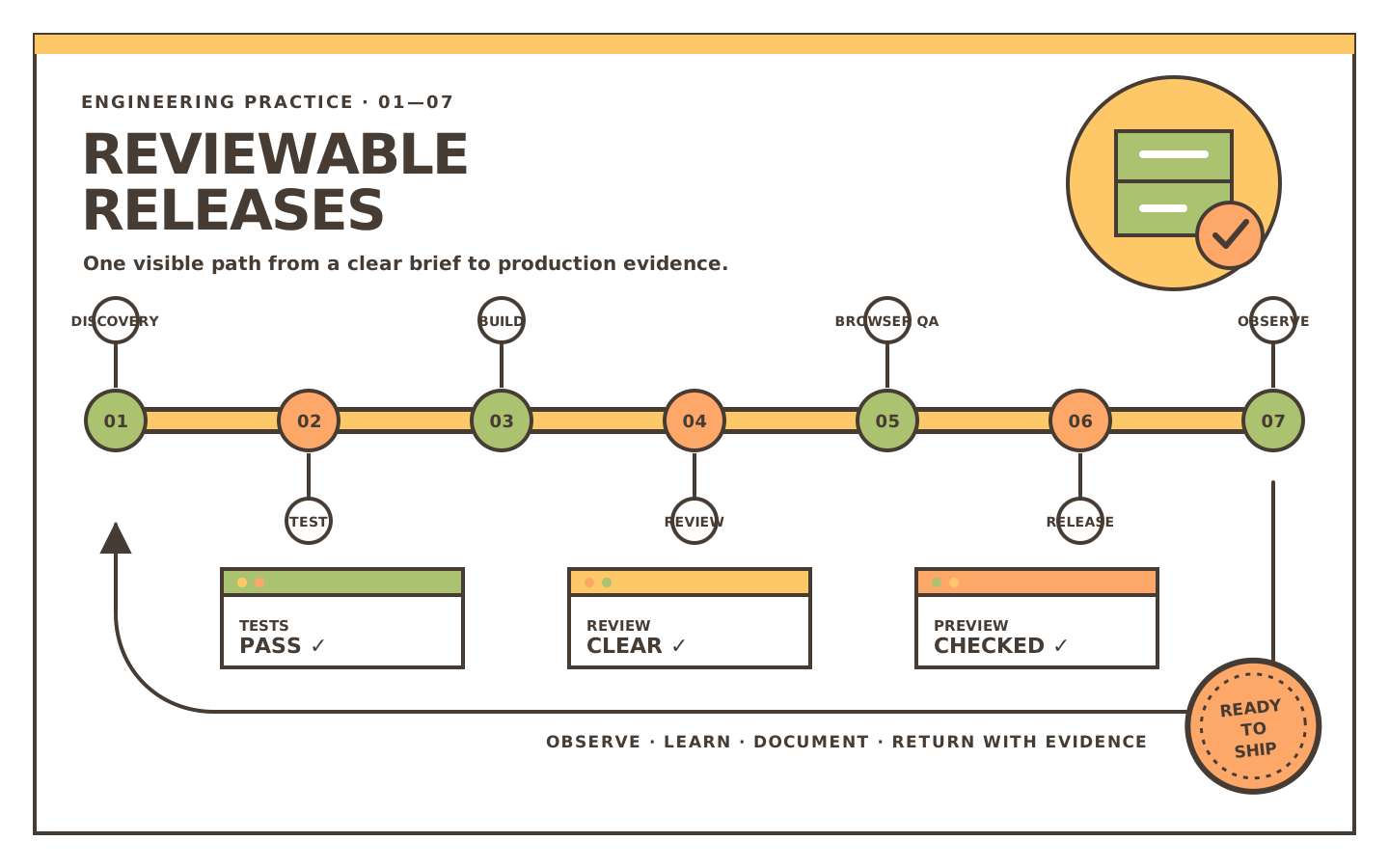
AI-native development means agents execute work across requirements, domain modeling, specs, tickets, implementation, review, QA, preview, and release while I remain accountable for decisions, quality, and release authority.
Opportunity & outcome
Opportunity
Modern software work moves quickly; strong architecture, tests, review, and production checks turn that energy into confident momentum.
Business outcome
A repeatable engineering process lets projects move faster while still producing inspectable decisions, safer releases, better handoffs, and stronger confidence for business stakeholders.
Role & system
Role
I direct the work, review decisions and code, choose proportional gates, inspect browser behavior, and authorize release. Agents provide specialized execution throughout the lifecycle.
Design considerations
The Development System that coordinates this work is a private, adaptable tool—not open source, a commercial product, or a universal template. Public evidence comes from shipped systems and sanitized process artifacts.
Decisions
Architecture decisions
Use clear seams, graph-backed public content, explicit environment contracts, protected branches, focused tests, and manual browser verification for visible behavior.
Delivery
Execution highlights
The delivery system includes PR review, TDD tracers, visual checks, GitHub issue flow, release documentation, and browser QA.
Quality, security, and performance
Quality includes source checks, type checks, behavior tests, build verification, visual QA, and deployment paths that can be audited.